From New Zealand to Australia: The Racing Relationship That Works Both Ways

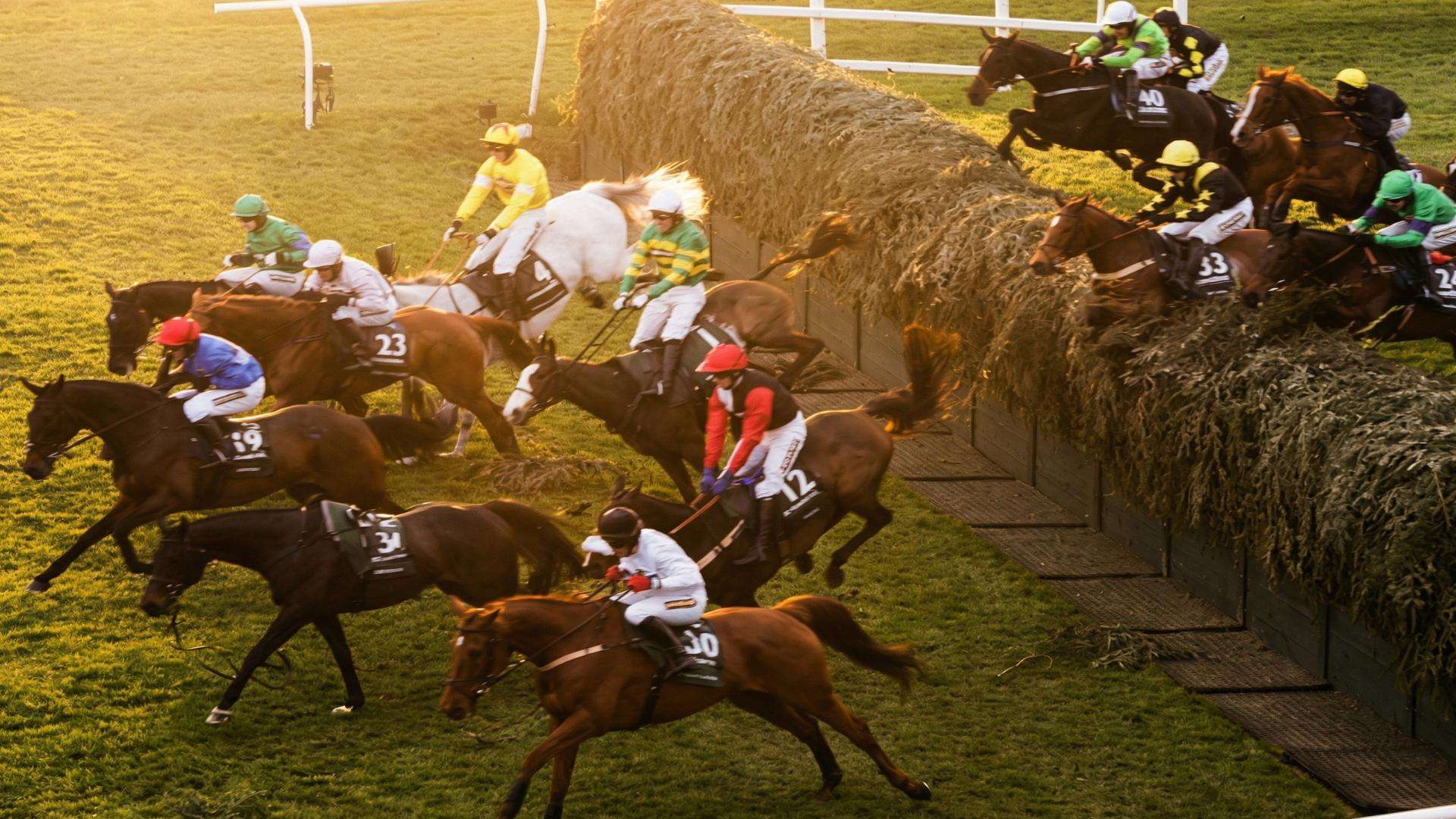
If you follow the Grand National, you’ll already know how closely British and Irish horse racing are. After all, eight of the last ten winners were trained in Ireland.
The close links with horses, trainers and jockeys regularly crossing the Irish Sea for the biggest meetings, and vice versa, mean that the two countries may compete on the racecourse, but ultimately they depend on each other to keep their respective industries thriving.
Likewise, Australia and New Zealand have a similar relationship, with New Zealand-bred and trained horses frequently heading across the Tasman to compete for far greater prize money in Australia, while the two racing industries remain closely connected.
And while horse racing has deep roots on both sides of the Tasman Sea, New Zealand and Australia have built rather different versions of the sport.
The Aussies tend to draw bigger crowds, offer bigger prize money and host races that attract worldwide attention. The Melbourne Cup, Cox Plate and The Everest sit on a calendar packed with major meetings.
New Zealand operates on a smaller scale, but also has a long history of producing high-class thoroughbreds, good trainers and tough racehorses capable of competing successfully in Australia.
Racing Still Matters in New Zealand

New Zealand racing may not have the financial strength of Australia’s, but it remains a major industry, with reports suggesting it contributes close to NZ$1.9 billion to the New Zealand economy.
There has also been plenty of change behind the scenes. TAB NZ (formerly known as the New Zealand Racing Board) now covers both betting and broadcasting, while legislative changes that took effect in June 2025 granted TAB NZ exclusive rights to sports and racing betting in New Zealand.
Betting income remains closely tied to racing funding, but the way people spend money online has changed. Racing now sits alongside sports betting, online games, and casino-style offers as people decide how to spend their money.
Racing fans now have access to a much wider range of online betting and gaming promotions, and may come across offers such as 50 no deposit free spins in NZ alongside more traditional options such as fixed-odds racing and tote betting.
It shows how much wider the online market has become, and why racing has to compete for attention in ways that simply did not exist 20 years ago.
Major Racing Days in New Zealand
Summer is one of the best times to see New Zealand racing at its strongest.
Ellerslie is central to the Auckland racing scene, with major meetings bringing together many of the country’s leading horses. The Karaka Millions meeting has become especially important, linking racing with New Zealand’s bloodstock business and giving owners and breeders a major target early in the year.
The New Zealand Derby is another key event, while the Auckland Cup remains one of the country’s best-known staying races.
Further south, Riccarton gives the South Island its own major stage, including New Zealand Cup week in Christchurch.
These meetings cannot always match the prize money available in Sydney or Melbourne, but they allow local horses to build a record at home before connections decide whether an Australian campaign makes sense.
Why New Zealand Horses Matter in Australia

New Zealand’s influence on Australian racing becomes much clearer when you look at some of the horses involved.
Perhaps the most famous example of all is Phar Lap. He was bred in New Zealand but did almost all of his racing in Australia, winning 37 of his 51 starts. His victories included the 1930 Melbourne Cup and two Cox Plates, and he became one of the most famous horses in Australian sporting history.
There have been plenty more since. Bonecrusher, bought for just NZ$3,500 at the Waikato Yearling Sales, travelled across from New Zealand and beat fellow Kiwi Our Waverley Star in the memorable 1986 Cox Plate. Bonecrusher also won the Tancred Stakes and AJC Derby in Sydney and was named Australian Horse of the Year in 1987.
Then there was Sunline, trained in New Zealand by Trevor and Stephen McKee. She won 13 Group 1 races during her career, including ten in Australia, and won the Cox Plate in both 1999 and 2000. Her seven-length win in the second of those Cox Plates remains one of her best-known performances.
More recently, New Zealand-bred Verry Elleegant began her career in New Zealand before moving to Australia and becoming one of the best mares of her generation. She won the 2020 Caulfield Cup and then produced a four-length victory in the 2021 Melbourne Cup, one of 11 Group 1 wins during her career.
With Australian thoroughbred racing now offering close to A$1 billion in prize money each season, the financial attraction is obvious. New Zealand produces the horses, Australia provides many of the richest opportunities, and that exchange has been part of Australasian racing for generations.
Australia Offers the Bigger Stage
Comparing the two in terms of which country offers the bigger stage in terms of actual horse racing is pretty straightforward, with Australia definitely having the upper hand.
Melbourne’s spring carnival remains one of the best-known racing periods in the world, headed by the Melbourne Cup at Flemington. Sydney is also a major centre for valuable racing, with The Everest and large autumn and spring programmes.
Australia also has more major metropolitan meetings, which create more opportunities for horses to compete for large purses throughout the year.
Yet New Zealand continues to have a strong influence. Its horses, breeders and trainers remain regular players in Australian racing, and a good New Zealand runner can quickly gain support on both sides of the Tasman.
A Racing Relationship That Works Both Ways

For all the differences in money and scale, racing in Australia and New Zealand is closely connected.
New Zealand supplies horses, breeders, trainers and jockeys to the wider Australasian racing scene, while Australia gives many New Zealand horses the chance to compete for much larger prizes.
New Zealand also faces many of the same problems as other smaller racing countries in that it is not the most popular sport in terms of spectator interest and media coverage.
In fact, analysis of sports media in 2024 was dominated by Rugby, international cricket, the NRL, football and netball, with no racing event even appearing among the ten most-covered sporting events.
When you factor in that racing has to compete for betting spend, that ownership is costly, and that the sport constantly needs to attract new fans to keep going, then the recent changes to the betting rules and funding are an important boost, giving the industry more financial certainty.
Australia will continue to take many of the biggest headlines, but New Zealand is far more than simply a source of horses for Australian racing.
Its racecourses, breeding industry and major meetings have their own character, and the country continues to produce horses capable of making an impact at home and abroad.