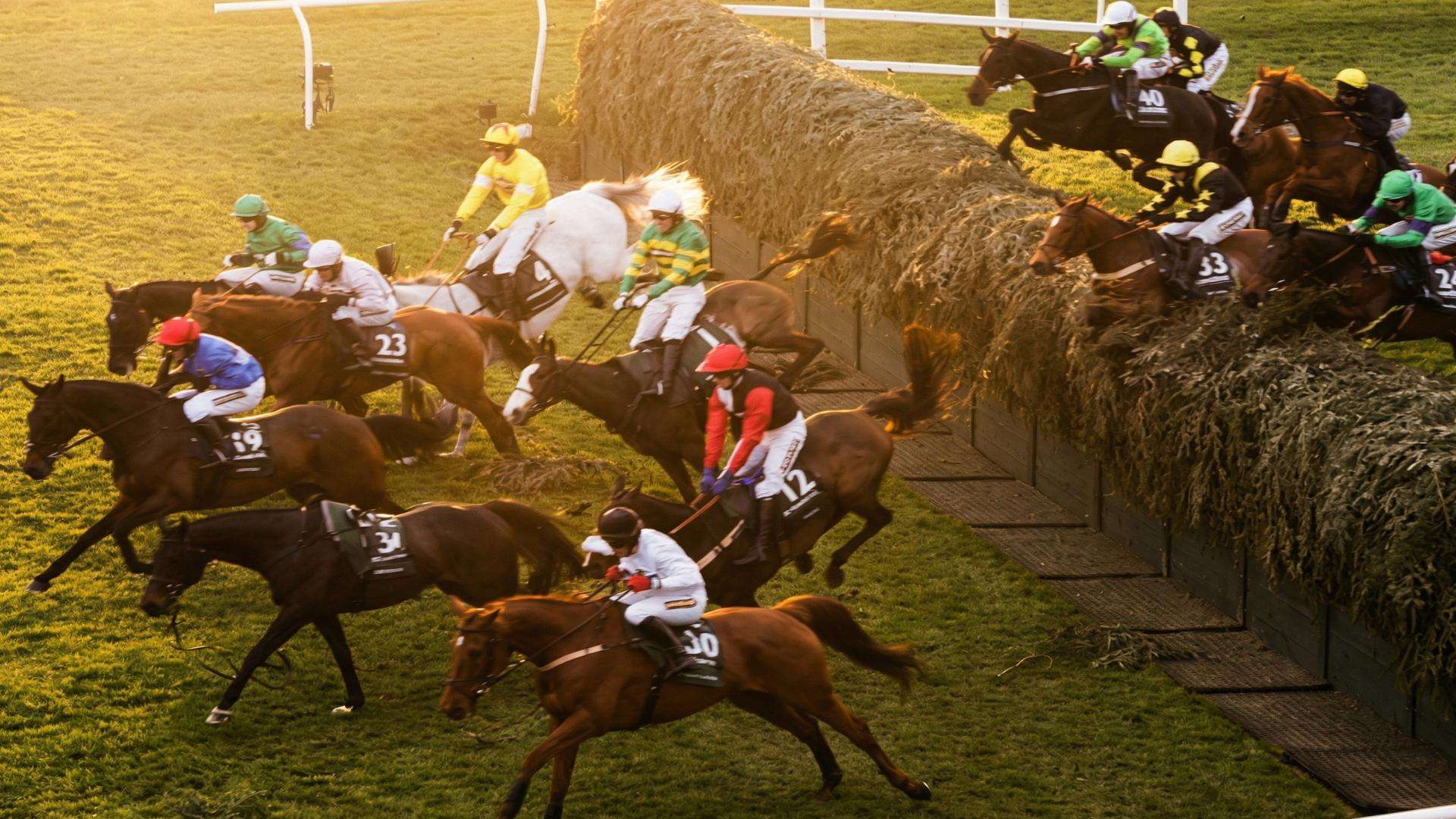
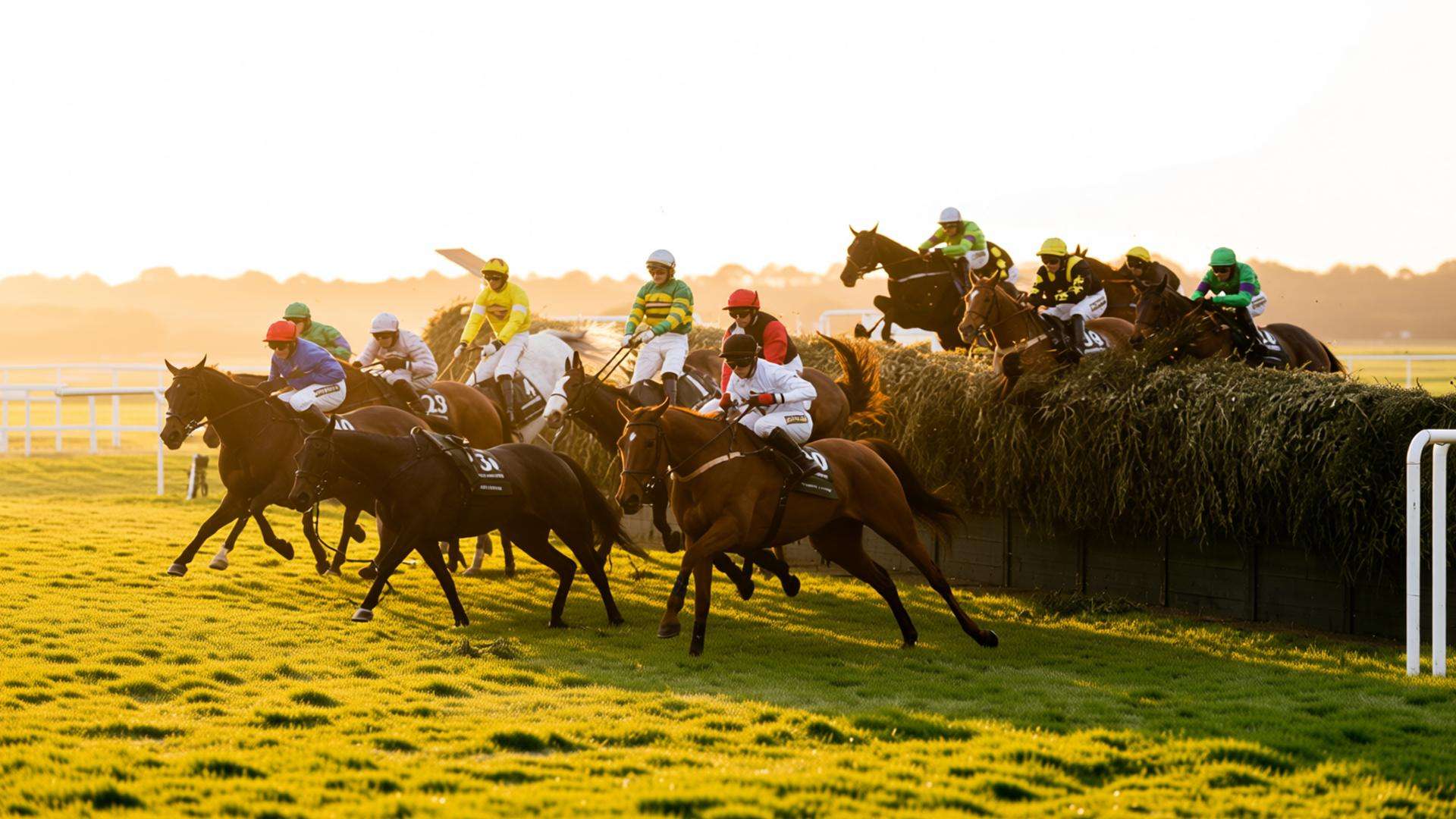
West Tip, the courageous and talented racehorse, will forever be remembered for his remarkable victory in the 1986 Grand National at Aintree Racecourse.
This bay gelding, bred in Ireland and owned by Peter Luff, overcame significant adversity and showcased his exceptional jumping abilities, securing his place in the annals of horse racing history.
Early Life, Injury, and Recovery
Born in 1977 near Fethard, County Tipperary, West Tip was the son of Gala Performance.
He was named after the Irish hurling team, the West Tipps (West Tipperary), and affectionately nicknamed “Tippy.”
He was bred by Joe Hayes and trained by Michael Oliver in Worcestershire, under whose care he would rise to fame.
In October 1982, West Tip’s promising career nearly ended prematurely due to a horrific accident. Near his stables, he was involved in a collision with a lorry that left him severely injured.
The situation was so dire that it was feared he might have to be put down. However, thanks to the diligent efforts of Oliver’s wife and their vet, Peter Thorne, West Tip made a miraculous recovery.
The injury left him with a distinctive scar, but it did nothing to diminish his spirit.
Just over a year later, West Tip was back on the racecourse. He won his first race over hurdles, signalling his potential for a successful career over fences.
This victory laid the foundation for his future, and his trainer remained optimistic about his chances in steeplechasing.
The Road to Aintree and Early Career
West Tip’s journey to Aintree glory truly began when he won the Ritz Club Handicap Chase at the Cheltenham Festival in 1985.
After his success at Cheltenham, he entered the 1985 Seagram Grand National as the joint-favorite, ridden by a young Richard Dunwoody.
Though Dunwoody would later become a Champion Jockey, he was unable to steer West Tip to victory that day; the horse fell at Becher’s Brook on the second circuit while disputing the lead.
Despite the setback, Michael Oliver remained confident in West Tip’s potential. This confidence paid off in 1986 when the now twenty-two-year-old Richard Dunwoody rode West Tip to a hard-fought victory in the Grand National.
The Build-Up and Leading Contenders
As the 1986 Grand National approached, the race was highly anticipated. The previous year’s runner-up, Mr. Snugfit, was installed as the 13/2 favourite despite some unimpressive recent performances.
West Tip, having fallen at Becher’s Brook while disputing the lead in the 1985 race, was the 15/2 second favourite.
Other heavily backed contenders included Door Latch at 9/1, and former winners Corbiere and Last Suspect, both at 14/1.
The 1986 Grand National Triumph
On April 5, 1986, West Tip lined up alongside 39 other horses for the 140th running of the Grand National.
At nine years old, and carrying a weight of 10-11, West Tip navigated Aintree’s challenging fences with precision and determination.
The race was a thriller, with Kill Kerin taking the early lead, while West Tip settled into a good rhythm under Richard Dunwoody.
As the race unfolded, the field began to thin out due to falls and pull-ups. Approaching the final stages, Young Driver hit the front, jumping the second-last fence ahead of West Tip, Classified, and The Tsarevich.
However, West Tip found another gear on the long run-in, overtaking Young Driver and staying on strongly to win by two lengths in a time of 9 minutes and 33 seconds.
Young Driver held on for second, with Classified finishing third, and the fast-finishing Mr. Snugfit in fourth.
This victory marked the first Grand National win for both jockey Richard Dunwoody and trainer Michael Oliver.
The Aintree crowd warmly received West Tip’s triumph, and the gelding quickly became a firm favorite due to his consistency and excellent jumping.
A National Icon
West Tip’s Grand National victory was the start of a remarkable relationship with Aintree. He would go on to compete in a further five Grand Nationals, making six appearances in total—a feat that underscored his durability and class.
In 1987 and 1988, he finished fourth, and in 1989, at the age of twelve, he ran a tremendous race to finish second to Little Polveir. This performance solidified his place as the most successful Grand National horse since the legendary Red Rum a decade earlier.
In 1990, West Tip made his final Grand National appearance, finishing tenth under jockey Philip Hobbs. His consistent performances in the world’s most challenging steeplechase endeared him to racing fans, and he became a beloved figure at Aintree.
Beyond the Grand National, West Tip’s racing career included a notable fourth-place finish in the 1987 Cheltenham Gold Cup.
His success on the track was matched by his popularity off it; he frequently returned to Aintree to join the Parade of Former Champions, and in 1988, he was even a guest at Richard Dunwoody’s wedding—a testament to the bond between horse and jockey.
Dunwoody often credited West Tip with launching his illustrious career, stating, “No other horse contributed to my racing career like he did.”
A Deserved Retirement and Legacy
After retiring from racing at the age of fourteen, West Tip was given to vet John Williams, a partner of Peter Thorne, the vet who had helped save him after the lorry accident in 1982.
He spent his retirement at the Titterton family farm near Warwick, where he lived peacefully until his passing in July 2001 at the age of twenty-four.
Peter Luff, West Tip’s owner, paid tribute to the beloved racehorse, saying, “He was a talented, courageous, and very special horse who provided enormous pleasure and fun over the years.”
West Tip’s legacy as one of the greatest Grand National horses of all time endures, and his story continues to inspire racing enthusiasts around the world.
His determination, resilience, and unwavering spirit in the face of adversity serve as a testament to the incredible bond between horse and human, and the magic of the sport of kings.